
Renewable energy in Saudi Arabia has entered a scale phase that is reshaping industrial competitiveness, logistics performance and sustainability outcomes across consumer facing sectors. Solar and wind capacity growth is no longer limited to the power sector, It is influencing where factories locate, how distribution networks design energy intensive infrastructure and how retail operators plan efficiency upgrades across large store estates.
This shift is occurring alongside grid modernization and new regulatory frameworks that support renewable procurement models beyond utility supply. For food processing, agribusiness, distribution and retail operations, renewable energy and grid readiness have become strategic inputs into operational resilience, cost predictability and emissions performance.
Saudi Arabia’s national renewable direction is clear. Targets include renewable sources contributing 50 percent of electricity generation by 2030 and renewable capacity reaching ~58.7 gigawatts by 2030.
Renewable energy scale is becoming an industrial competitiveness lever
By the end of 2024, renewable energy projects operating in Saudi Arabia reached 6,551 megawatts of installed capacity, reflecting a strong scale up in utility solar and continued progress in wind power deployment.
In parallel, large new awards and signed agreements demonstrate continuing momentum in the project pipeline through 2025 and beyond. Five renewable projects totaling 4.5 gigawatts were awarded in late October 2025 with investments exceeding 9 billion Saudi riyals, reinforcing the pace of capacity additions.
A separate set of renewable investments reported in 2025 points to 15 gigawatts of solar and wind capacity across seven projects with planned operational readiness by 2028, supporting a multi year ramp in available renewable supply.
For consumer industries, this matters because renewable capacity additions at this magnitude influence industrial cost structures, infrastructure planning and competitiveness across food and consumer product value chains.
Grid readiness is evolving as a core enabler of renewable integration
Renewables at scale require grid modernization that supports variability, balancing and real time operational visibility. Saudi Arabia’s grid readiness agenda is advancing through investments in automation, measurement and stability solutions that strengthen system flexibility.
Recent contracts awarded by National Grid Saudi Arabia include advanced grid stability measurement services to improve visibility and support stability management across the transmission network, reflecting practical steps to strengthen renewable integration.
Grid modernization is also closely linked to smart grid and automation initiatives. Public reporting highlights a national push toward advanced grid systems and automation as part of digital transformation and renewable integration priorities.
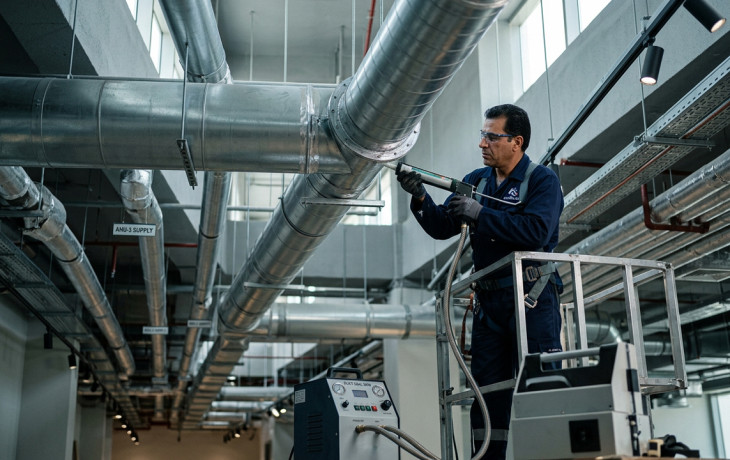
For industrial operators and retail networks, grid readiness impacts reliability outcomes, power quality and the ability to plan expansion of energy intensive facilities such as refrigeration hubs, automated distribution centers and large format retail clusters.
Industrial localization is accelerating through renewable supply and manufacturing ecosystems
Renewable energy in Saudi Arabia is not only a generation story. It is also an industrial localization story.
Saudi Arabia’s localization agenda includes domestic manufacturing and assembly of solar and wind components. In July 2024, three joint ventures were announced to localize manufacturing for wind turbines, photovoltaic cells and modules and solar ingots and wafers.
This industrial direction aligns with broader national ambitions for renewables to contribute around 2.5 billion Saudi riyals annually to GDP and generate more than 29,000 direct jobs by 2030.
For consumer goods and FMCG sectors, localization of renewable components contributes to broader industrial competitiveness by strengthening supply ecosystems, reducing dependence on imported equipment and supporting industrial cluster development that benefits packaging, food processing and consumer product manufacturing.
Renewable procurement models are expanding beyond utility supply
As the renewable ecosystem matures, procurement models are becoming more diversified. Saudi Arabia has developed a regulatory framework for renewable energy generation systems for self consumption, including renewable systems installed on eligible consumer premises, with or without storage. The framework defines renewable generation systems, eligibility requirements and network related provisions that support structured self consumption models.
This regulatory foundation supports a growing set of business models relevant to consumer industries, particularly those operating high energy demand facilities.
Model 1 On site renewable systems for self consumption
Large facilities, distribution centers and retail hubs increasingly evaluate on site renewable systems. This model supports direct energy use, improved sustainability performance and long term energy cost planning.
Model 2 Third party development models for commercial sites
Commercial entities increasingly pursue arrangements where renewable assets are developed and maintained by specialized providers, while the site benefits from structured supply and performance guarantees.
Model 3 Utility scale procurement through structured contracts
Large organizations participate in renewable backed electricity supply through long term procurement structures linked to national renewable programs and power procurement mechanisms.
Public reporting has also highlighted a growing shift among businesses toward solar adoption, supported by changes in electricity pricing and improving solar economics, indicating increasing private sector participation beyond utility generation.
For consumer industries, these models support flexibility in energy strategy and strengthen the ability to link sustainability ambition to operational execution.
Operational efficiency gains across food and retail value chains
Renewable energy expansion is most impactful when combined with operational efficiency initiatives across production and distribution. For food and retail value chains, electricity demand is concentrated in three areas.
Energy intensive production and packaging
Food processing and packaging conversion rely on continuous energy consumption for heating, cooling, sterilization and production line operations. Cleaner electricity reduces emissions intensity and supports sustainability performance.
Cold chain infrastructure
Cold storage, distribution refrigeration and in-store refrigeration represent major energy loads. Renewable backed power supports a stronger emissions profile while enabling efficiency upgrades with greater impact.
Automated logistics and distribution centers
Modern distribution centers rely on automation systems and digital controls that increase electricity reliance. Renewable energy availability supports both operational growth and sustainability goals.
Logistics efficiency and industrial parks are converging with renewable readiness
Industrial transformation depends on industrial parks, special economic zones and logistics corridors that offer competitive infrastructure. Renewable energy and grid modernization are increasingly shaping the attractiveness of these clusters for manufacturers and distributors.
The strategic advantages include:
• Improved long term energy cost predictability
• Stronger sustainability credentials for export aligned supply chains
• Higher attractiveness for international partnerships and institutional procurement
• Better integration potential for automation, refrigeration and data driven logistics
For food and consumer categories, these factors influence strategic decisions on:
• Manufacturing footprint and localization
• Distribution center siting and scale
• Cold chain expansion
• Retail logistics and delivery optimization
Emissions reporting readiness is becoming an operational requirement
Sustainability in Saudi Arabia is increasingly measured through performance, transparency and governance. For consumer industries, emissions reporting maturity is shifting from a corporate communications priority to an operational requirement.
Renewable energy integration supports emissions performance most directly through purchased electricity reduction. This supports improved Scope Two emissions metrics and strengthens performance in supply chain scorecards.
Emissions reporting readiness requires three building blocks.
1- Baseline measurement
Energy data must be consolidated across sites, facilities and logistics hubs.
2- Traceability and audit readiness
Data governance and documentation support consistency across reporting cycles and stakeholder expectations.
3- Integration into decision making
Energy and emissions data must support investment planning, supplier selection and operational strategy.
Saudi Arabia’s renewable expansion supports these capabilities by increasing the availability of cleaner electricity at scale while enabling procurement models that provide measurable renewable attribution.
Sector implications for food processing, agribusiness, distribution and retail operations
Food processing
Renewable backed electricity supports lower emissions intensity across production while strengthening cost stability for energy intensive operations. Over time, this supports competitiveness and alignment with sustainability expectations in domestic and regional markets.
Agribusiness
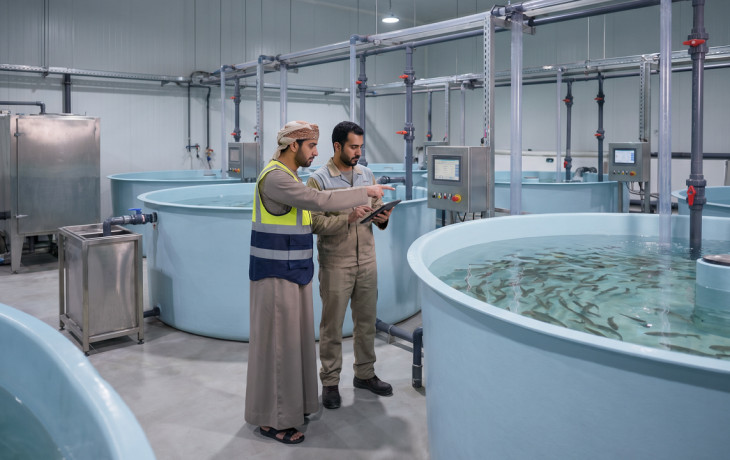
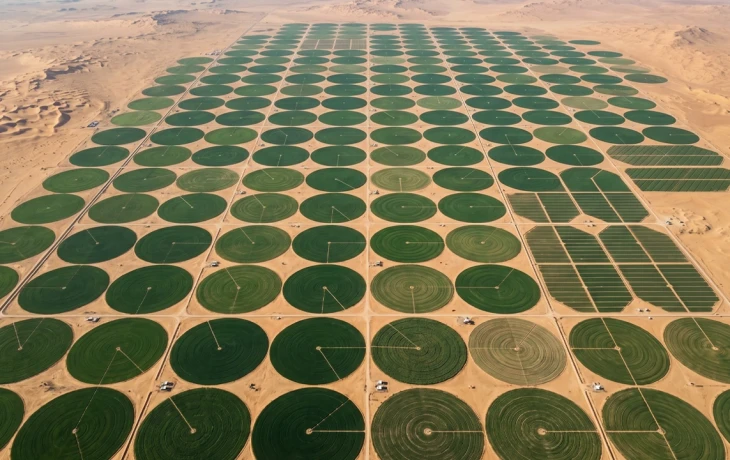
Energy reliability and sustainability performance support controlled environment agriculture, post harvest processing and cold storage. Renewable energy availability strengthens resilience in high demand supply periods and supports food security objectives.
Distribution and logistics
Renewable integration supports decarbonization of warehouse operations, automated distribution and cold chain infrastructure. This strengthens service quality and supports reduced loss through stronger refrigeration reliability.
Retail operations
Retail estates benefit from renewable backed grid improvements through improved sustainability metrics and stronger alignment with consumer expectations. Efficiency programs deliver higher impact when supported by cleaner grid electricity.
What to watch through 2030
Renewables and grid modernization will continue to shape Saudi industrial transformation through the remainder of the decade. Several indicators will matter for consumer industries.
• Pace of renewable awards and grid integration
• Expansion of private sector procurement and self consumption uptake
• Localization progress for solar and wind component manufacturing
• Measurable improvements in grid automation and stability
• Increased renewable availability across industrial parks and logistics corridors
The pipeline already indicates continued momentum through multi gigawatt awards and large scale development programs.
Renewable power and grid modernization are reshaping Saudi Arabia’s industrial and consumer economy. With national targets aiming for 50 percent renewable electricity generation by 2030 and renewable capacity reaching 58.7 gigawatts by 2030, the energy transition is positioned as a long term structural foundation for competitiveness and sustainability.
Renewable deployment already reached 6,551 megawatts of installed capacity by the end of 2024 and the project pipeline continues to expand through large scale awards and multi year developments.
For food processing, agribusiness, distribution and retail operations, renewables are supporting industrial localization, operational efficiency and emissions reporting readiness. The result is a more sustainable operating model that aligns commercial performance with Saudi Arabia’s national transformation direction.