
Sustainability in Saudi Arabia has moved decisively beyond regulatory compliance. It now sits at the center of commercial strategy for consumer goods manufacturers, FMCG companies, retailers and agribusinesses operating in one of the Middle East’s fastest transforming economies.
As Vision 2030 reshapes the Kingdom’s economic model, sustainability has emerged as a defining pillar of growth, resilience and competitiveness. Companies that embed sustainability into core decision making are strengthening supply security, enhancing brand trust, unlocking premium growth and aligning with national priorities that shape long term market direction.
This article examines why sustainability has become a strategic advantage in Saudi Arabia and how consumer and retail companies are translating sustainability commitments into measurable commercial performance.
Sustainability within Saudi Arabia’s national transformation agenda
Saudi Arabia’s sustainability ambitions are closely integrated into Vision 2030, which prioritizes economic diversification, responsible resource management, food security and improved quality of life. These priorities directly influence how consumer and retail sectors operate and grow.
Key national sustainability objectives include:
- Achieving net zero emissions by 2060 through a circular carbon economy framework
- Planting more than 10 billion trees under the Saudi Green Initiative
- Increasing renewable energy contribution to 50 percent of electricity generation by 2030
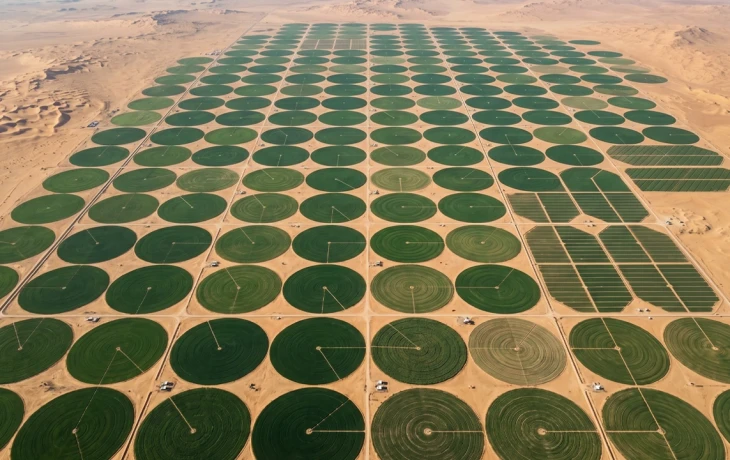
- Strengthening domestic food production and supply resilience
These targets are shaping policy direction, investment flows and market expectations across the Kingdom. For businesses, this clarity provides a stable framework for strategic planning and capital allocation.
The Saudi consumer landscape is evolving rapidly
Saudi Arabia has one of the youngest populations among G20 economies. Around 60 percent of the population is under the age of 30. This demographic profile is accelerating shifts in consumption behavior, digital engagement and brand expectations.
Recent consumer research across the Kingdom highlights several important trends:
- Increased preference for transparent product information related to sourcing and quality
- Rising interest in health focused and responsibly produced food and beverage products
- Strong growth in modern retail formats and omnichannel shopping experiences
- Higher expectations for brands to demonstrate social and environmental responsibility
In Saudi Arabia more than 70 percent of consumers actively consider environmental or social factors when evaluating brands in food, retail and household categories. Sustainability increasingly influences purchase frequency, brand loyalty and willingness to pay for premium offerings.
From compliance to commercial value creation
In the past, sustainability initiatives focused primarily on meeting regulatory requirements or corporate responsibility reporting standards. In today’s Saudi market, leading companies treat sustainability as a core value creation lever.
This shift reflects three structural realities:
- Market competition is intensifying as international brands expand their presence in Saudi Arabia
- Consumers increasingly reward brands that demonstrate authenticity and responsibility
- Investors and institutional partners prioritize sustainability performance in long term partnerships
As a result, sustainability has become a differentiator that influences market share, brand strength and operational resilience.
Sustainability as a revenue growth driver in Saudi consumer markets
Product innovation aligned with national priorities
Saudi Arabia’s focus on food security, local manufacturing and efficient resource use is driving innovation across consumer and FMCG portfolios.
Examples include:
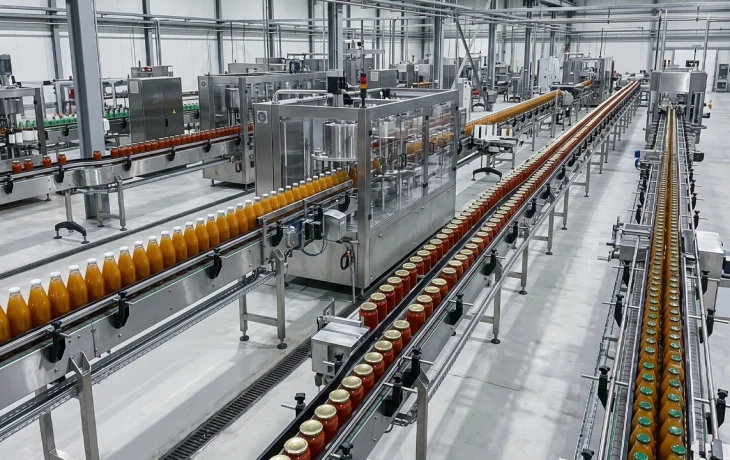
- Growth in locally produced food products supporting domestic supply resilience
- Expansion of healthier product lines responding to lifestyle and wellness priorities
- Improved packaging solutions that reduce material intensity while maintaining quality
According to the Saudi Ministry of Investment, domestic food production investments increased by more than 30 percent between 2021 and 2024, reflecting strong alignment between sustainability objectives and commercial opportunity.
Sustainability led innovation supports premium positioning and strengthens relevance among younger and urban consumers.
Expanding access to high growth ecosystems
Saudi Arabia’s giga projects, tourism developments and entertainment destinations are reshaping demand patterns across retail and FMCG sectors.
Large scale developments such as NEOM, Qiddiya, Diriyah Gate and the Red Sea Project integrate sustainability standards across procurement, operations and supplier selection. Participation in these ecosystems increasingly depends on demonstrated sustainability credentials.
For consumer goods and agribusiness companies, sustainability alignment supports:
- Access to long term supply agreements
- Preferred supplier relationships
- Inclusion in high visibility national projects
This dynamic positions sustainability as a gateway to growth rather than a cost center.
Strengthening brand trust and long term loyalty
Brand trust plays a critical role in Saudi Arabia’s competitive consumer environment. Sustainability contributes directly to trust when it is supported by transparency, consistency and measurable outcomes.
Saudi consumers increasingly expect brands to:
- Communicate clearly about sourcing and production practices
- Demonstrate alignment between messaging and action
- Show continuous improvement rather than one time initiatives
Brands that meet these expectations benefit from higher repeat purchase rates and stronger customer advocacy, particularly in digital and social channels where reputation spreads rapidly.
Sustainability therefore functions as a brand multiplier, reinforcing the impact of marketing, innovation and customer experience investments.
Operational efficiency and resilience at scale
Sustainability initiatives also deliver tangible operational benefits, especially for large scale retailers and FMCG manufacturers.
Resource efficiency and cost management
Energy and water efficiency programs reduce exposure to long term cost volatility. In Saudi Arabia, where climate conditions place pressure on resources, efficiency improvements translate directly into improved operating margins.
Supply chain resilience and localization
Sustainability strategies often prioritize supply chain visibility, diversification and localization. These approaches strengthen resilience against global disruptions and support faster response to market demand.
For food and agribusiness sectors, localized sourcing improves freshness, reduces logistics complexity and strengthens national food security objectives.
Waste reduction and circular practices
Retailers and manufacturers increasingly adopt waste reduction initiatives across production, logistics and store operations. These efforts support environmental goals while improving inventory efficiency and cost control.
Circular practices also enhance brand perception among sustainability conscious consumers.
Staying ahead of evolving expectations and standards
Saudi Arabia’s sustainability framework continues to mature in line with national ambitions. Companies that act proactively benefit from strategic readiness and leadership positioning.
Proactive sustainability integration delivers:
- Reduced risk of operational disruption
- Greater flexibility in expansion and innovation
- Stronger relationships with regulators and partners
Early movers often integrate sustainability more seamlessly into new store formats, production facilities and digital platforms, avoiding costly adjustments later.
Making sustainability actionable in Saudi Arabia
Leading consumer and retail companies in the Kingdom follow a structured approach to sustainability execution.
1. Anchor sustainability in corporate strategy
Sustainability priorities align directly with growth objectives, category leadership and market expansion plans.
2. Integrate sustainability into the operating model
Procurement, logistics, merchandising, marketing, and finance teams operate under shared sustainability objectives supported by governance and performance metrics.
3. Invest in data and measurement
Robust data systems support transparency, decision making and credible performance tracking across emissions, sourcing and waste metrics.
4. Activate sustainability across the customer journey
Sustainability is visible at product design, packaging, store environments, digital platforms and loyalty programs.
5. Build ecosystem partnerships
Collaboration with suppliers, logistics providers, technology firms and agricultural partners accelerates progress and amplifies impact.
Sustainability as a long term competitive advantage
Saudi Arabia’s consumer economy is entering a phase defined by scale, sophistication and global integration. Sustainability has become a strategic lever that supports innovation, resilience and market leadership.
Companies that embed sustainability into their core business model strengthen their ability to grow responsibly, respond to evolving expectations and build brands designed for endurance.
In the Saudi context, sustainable growth represents alignment between commercial success and national ambition. Organizations that recognize this alignment position themselves at the forefront of the Kingdom’s next phase of economic transformation.
Sustainability in Saudi Arabia is no longer a compliance obligation. It is a strategic advantage shaping the future of consumer and retail markets.